
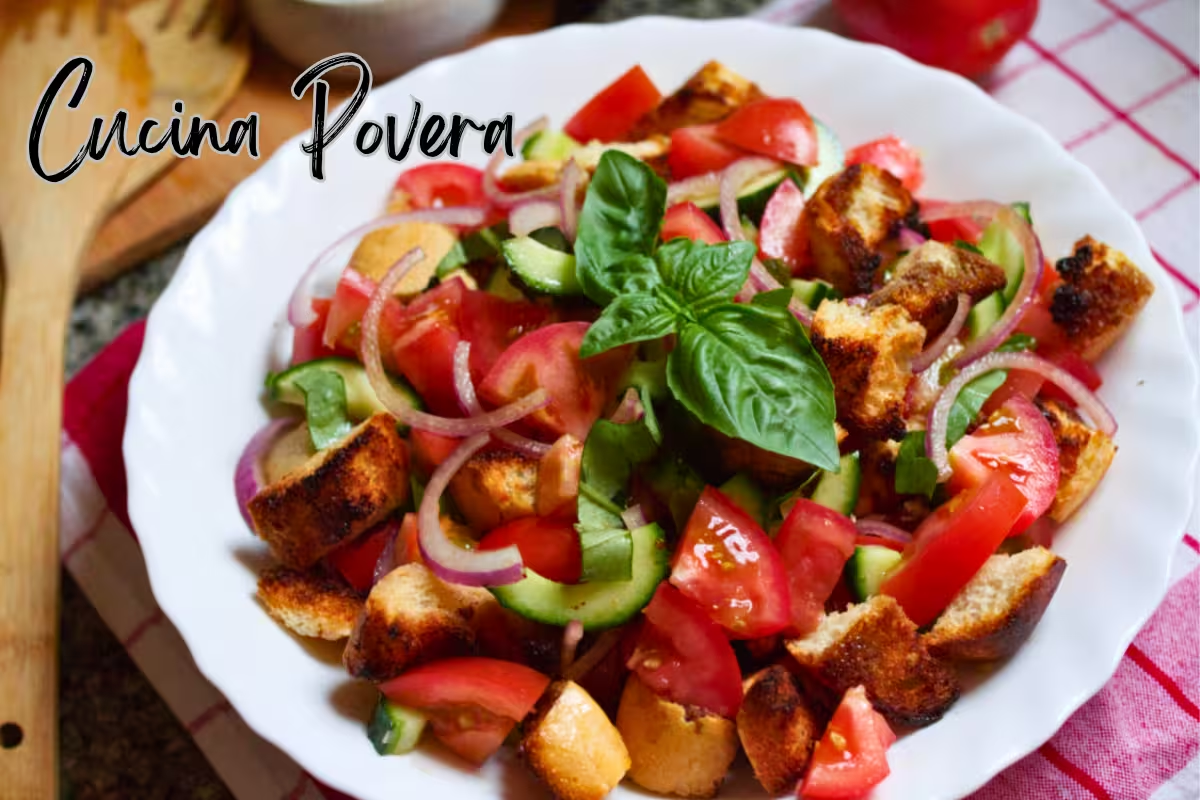
There’s a certain magic in the simplest Italian meals. The kind that don’t arrive at the table dressed in luxury, but are still irresistible, with steam rising from a pot that’s been simmering all afternoon, the scent of garlic warming in olive oil, or with crusty day-old bread that’s been given new life.
This is where cucina povera begins, not in restaurants or cookbooks, but in kitchens shaped by necessity, ingenuity, and deep respect for ingredients. And this makes these recipes all the easier to reproduce at home.
Table of contents:
What Does “Cucina Povera” Mean?
To understand cucina povera, you have to travel back to a time well before supermarket aisles, food trends, or recipes measured in teaspoons.
“Cucina povera” literally translates to “poor cooking,” however, this method of cooking has rich cultural roots and is considered the soul of traditional Italian homemade food.
Born in rural households where money was scarce and waste was unthinkable, it wasn’t about deprivation, it was about making something nourishing and deeply satisfying from very little. Beans, grains, seasonal vegetables, and scraps that might otherwise be discarded became the foundation of dishes that are now celebrated as classics.
Long before sustainability became a buzzword, many Italian families were practicing it daily. Every crust of bread had a purpose, every vegetable leaf a future meal. What emerged from this way of cooking wasn’t just thrift, but comforting and creative flavor combos.
Today, cucina povera feels more relevant than ever, reminding us that good food doesn’t need to be complicated, expensive, or perfect. It just needs to be made with care.
Origins of Cucina Povera in Italy
The origin of la cucina povera is deeply rooted in rural Italy, particularly in the southern regions and the countryside, though its influence is found throughout the country.
Geographic Roots
- Southern Italy: Regions like Campania, Puglia, Calabria, and Sicily are often cited as strongholds of cucina povera. These areas historically had small farms, limited access to meat, and reliance on seasonal vegetables, legumes, and grains.
- Tuscany (Central Italy): Tuscany also has a rich tradition of cucina povera, especially with bread-based dishes like ribollita and panzanella, emphasizing leftover bread, beans, and seasonal vegetables.
- Countryside & Rural Farms: Across Italy, cucina povera emerged wherever communities relied on local ingredients and had to stretch every resource, from bread to vegetables to animal scraps, to feed their families.
For much of Italy’s history, especially in rural areas, families cooked with what they grew, foraged, traded, or had left over from the day before. If it was edible, it was useful. If it wasn’t, someone’s nonna would find a way to make it so. This was a world before planes, trucks, and fridges.
This style of cooking took root most deeply in southern Italy and the countryside, where life revolved around farms, seasons, and long days of physical labor. Meat was a rare luxury, saved for holidays or Sundays, while vegetables, legumes, grains, and bread did the heavy lifting.
Pasta was often handmade not for romance, but because flour and water were cheaper than anything else. Before screens, time was something people had.
Key Dishes of La Cucina Povera by Region
| Region | Dish | Description |
| Tuscany (Central Italy) | Ribollita | A hearty soup of bread, beans, and seasonal vegetables. Traditionally reheated “reboiled”) day after day for deeper flavor. |
| Tuscany | Panzanella | Bread and tomato salad, perfect for using stale bread in summer. Fresh herbs and olive oil add flavor without fuss. |
| Campania (Southern Italy) | Spaghetti alle Vongole | Simple pasta with clams, olive oil, garlic, and parsley. Seafood was accessible to coastal communities, often eaten with minimal extras. |
| Campania | Napoletana Sauce | Classic tomato sauce with garlic, olive oil, and basil. A versatile staple for pasta or pizza, reflecting pantry-based cooking. |
| Puglia | Fave e Cicoria | Mashed fava beans served with bitter greens, embodying the local love for legumes and seasonal vegetables. |
| Calabria | Pasta e Fagioli | Pasta and beans soup with olive oil and garlic. Inexpensive, filling, and a prime example of resourceful cooking. |
| Sicily | Pasta alla Norma | Pasta with tomato sauce, fried eggplant, and ricotta salata. Originates from Catania; seasonal vegetables take center stage. |
| Liguria (Northwest) | Minestrone alla Genovese | Thick vegetable soup with beans, greens, and sometimes pasta. Highlights local produce and the zero-waste mindset. |
| Naples / Campania | Spaghetti Aglio e Olio | Ultra-simple pasta with garlic, olive oil, and chili flakes. Shows flavor from technique, not expensive ingredients. |
| Various Regions | Polenta with Greens or Beans | Cornmeal base served with seasonal vegetables or legumes; inexpensive and versatile for many meals. |
Waste Nothing, Let Creativity Thrive
Poverty, it turns out, is an excellent teacher. When nothing can be wasted, creativity thrives. Stale bread became soups, salads, and dumplings (check out this tasty Malfatti recipe). Leftover pasta was reborn the next day, sometimes better than the first. Greens that modern cooks might toss aside (stems, leaves, and all) were simmered, sautéed, and stretched into meals that could feed a whole family.
Recipes weren’t written down because they didn’t need to be; they were flexible, forgiving, and constantly evolving.
What’s remarkable is that these meals, born from necessity and practicality, didn’t just fill stomachs, they built a cuisine. Cucina povera proved that flavor doesn’t come from excess, but from understanding ingredients and treating them with respect. And while no one at the time would have called it “genius,” history, and hungry modern cooks, have kindly done it for them.
Core Principles of Cucina Povera
Cucina povera is built on practicality, tradition, and an instinctive understanding of ingredients. Rather than strict rules, it follows a simple philosophy shaped by generations of Italian home cooks.
- Seasonal and Local Ingredients
Cooking with what’s available is central to cucina povera. Meals are based on seasonal produce, local staples, and ingredients grown close to home. This approach naturally delivers better flavor while reflecting the rhythms of the land and traditional Italian food culture. - Minimal Waste
Nothing goes to waste in cucina povera. Stale bread, vegetable trimmings, and leftovers are transformed into new dishes. From root-to-leaf vegetables to nose-to-tail cooking, this zero-waste mindset is a defining feature of traditional Italian peasant food. - Simple Cooking Techniques
The techniques are straightforward, often requiring boiling, simmering, or sauteing. Cucina povera relies on time, patience, and experience rather than complicated methods or specialized equipment, which makes it great for home cooks today. - Flavor Over Luxury
Above all, cucina povera values flavor. Garlic, olive oil, herbs, and proper seasoning take priority over expensive ingredients. These dishes prove that simple Italian cooking can be deeply satisfying without being elaborate or costly.
Common Ingredients Used in Cucina Povera
- Legumes (beans, lentils, chickpeas)
- Stale bread
- Pasta, rice, polenta
- Seasonal vegetables (especially greens)
- Olive oil, garlic, onions
Classic Cucina Povera Dishes
Below are some favorite recipes that embody the heart and soul of cucina povera, based around humble ingredients that are transformed into satisfying, memorable meals.
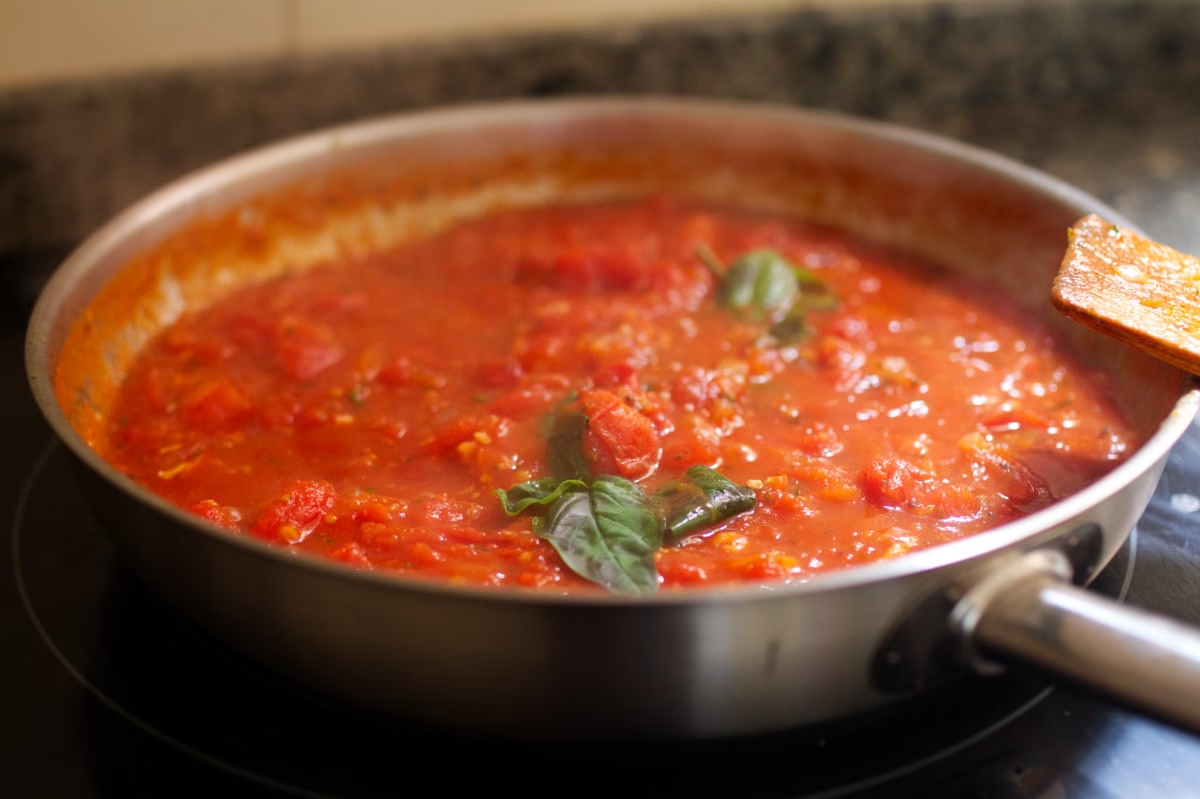
🍅 Napoletana Sauce (Classic Italian Napoli Sauce)
This simple tomato sauce from Naples celebrates ripe tomatoes, garlic, olive oil, and basil. It’s a perfect cucina povera staple you can toss with pasta or use as a base for countless dishes.
Napoletana Sauce – Easy Italian Napoli Sauce Recipe
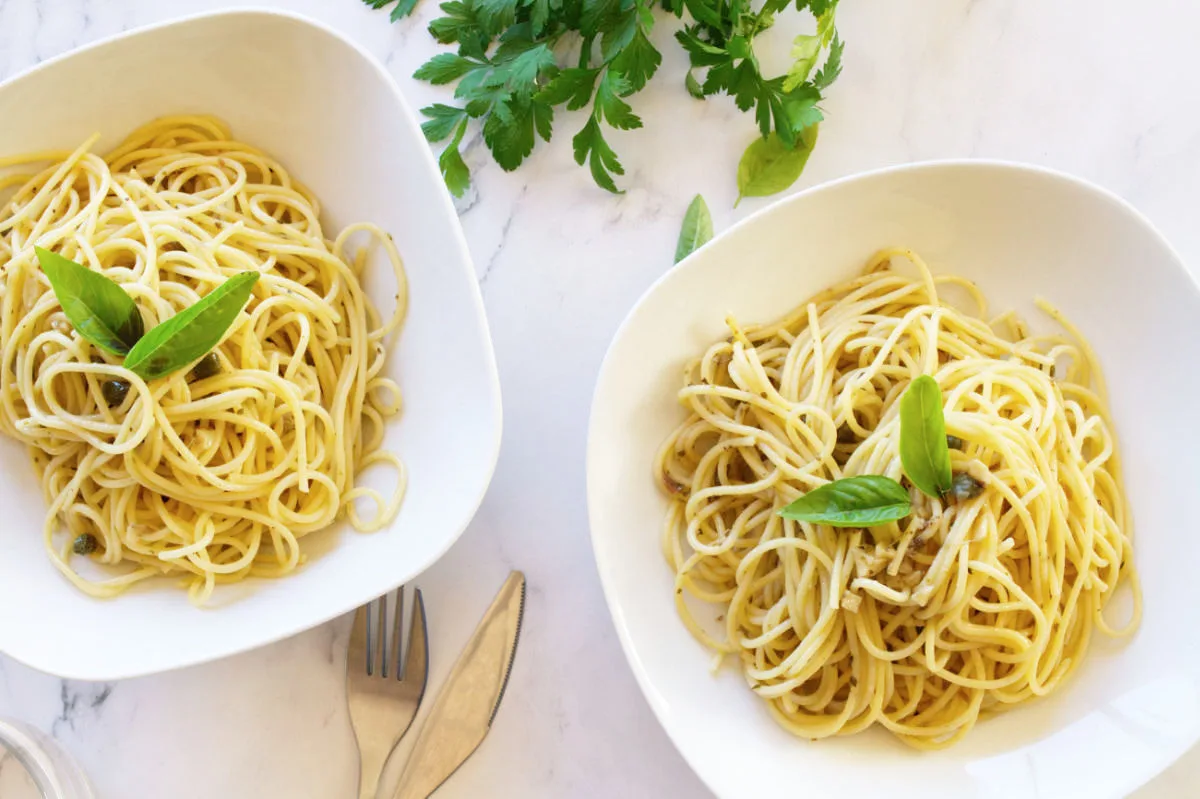
🍝 Spaghetti with Anchovies and Capers (15-Minute Recipe)
This quick pasta dish shows how pantry staples like anchovies, capers, olive oil, and oregano can deliver a punch of flavor with very little effort.
Spaghetti with Anchovies and Capers (15‑Minute Recipe)
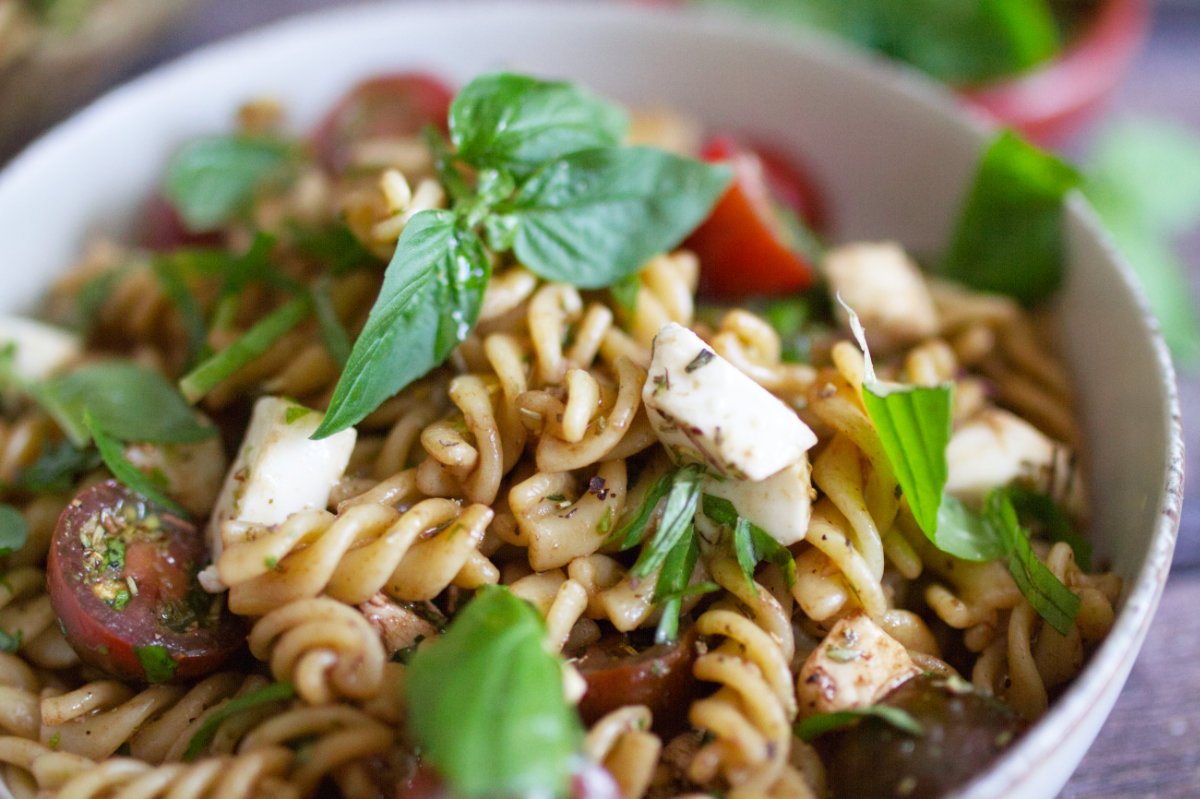
🥗 Caprese Pasta Salad (Insalata de Pasta Caprese)
This refreshing pasta salad combines pasta, fresh mozzarella, tomatoes, basil, and olive oil. These seasonal produce and simple elements celebrate cucina povera’s love of letting high-quality basics shine.
Caprese Pasta Salad (Insalata de Pasta Caprese)
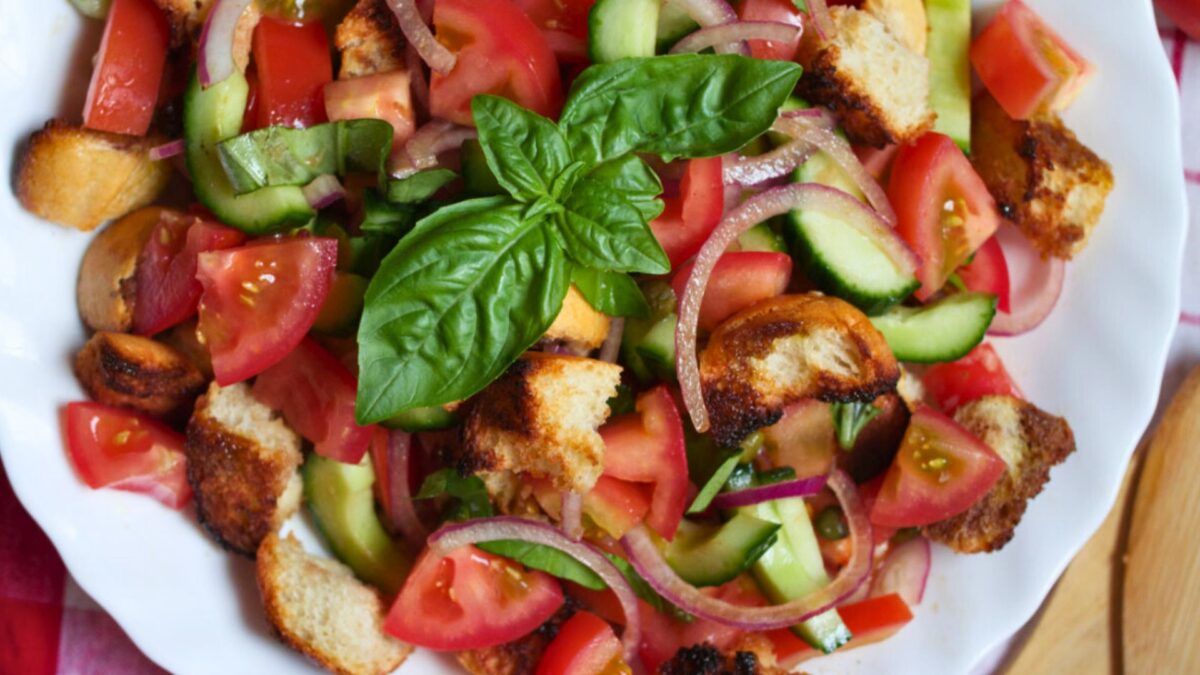
🍞Panzanella Salad (Tuscan Tomato and Bread Salad)
Panzanella Salad is a classic Tuscan tomato and bread salad that embraces fresh and seasonal ingredients to reflect warm summer days where something refreshing is in order. This is achieved with the use of tomatoes, cucumber, and garlic….and stale bread, to make the most of everything, of course.
Panzanella Salad (Tuscan Tomato and Bread Salad)
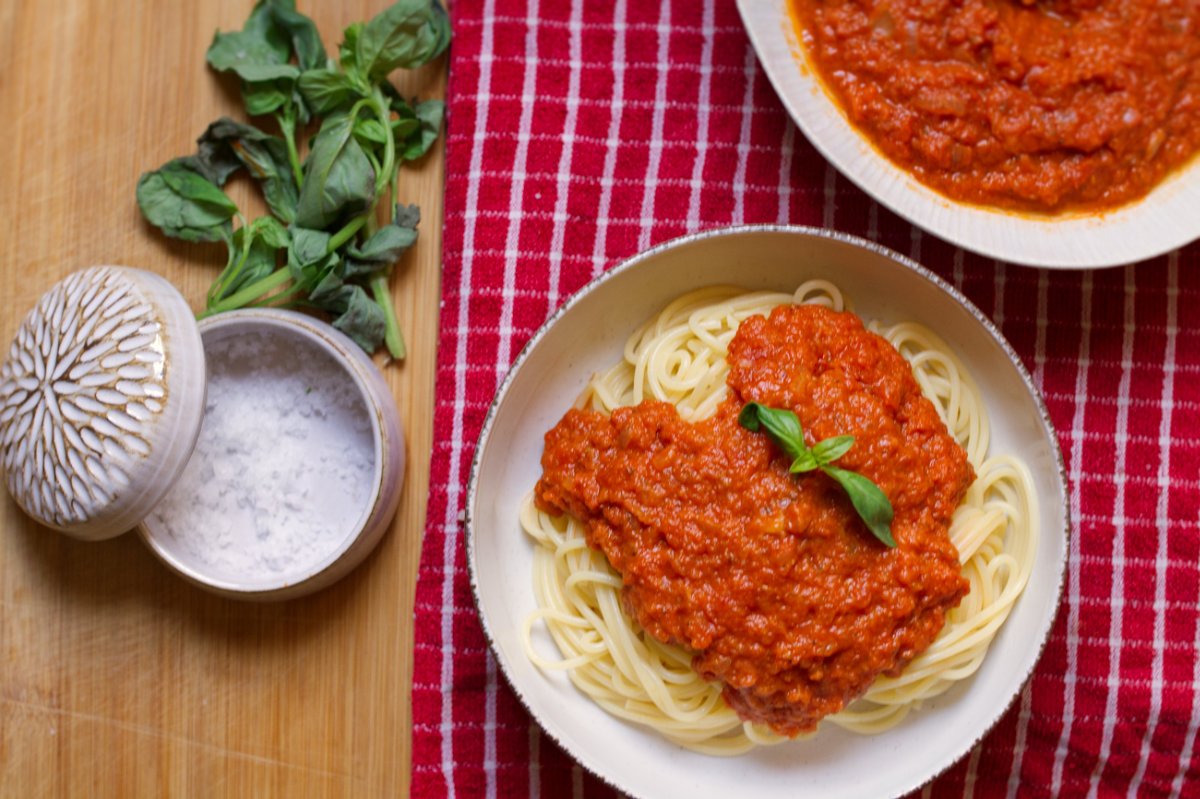
🍝 Spaghetti with Marinara Sauce
A classic Italian pasta dish full of flavor that originates from Naples, Italy. This staple of Neapolitan cuisine highlights the essence of Italian cooking: a simple yet masterful approach to creating rich flavors with just a few humble ingredients.
Cucina Povera vs Modern Italian Cuisine
Sometimes, cucina povera and modern Italian cuisine might seem like opposites. One was born from scarcity, the other often celebrates abundance. But, as you can probably guess from the names of many of the dishes, they’re super connected, and many older recipes are as popular as ever today.
A Difference in Philosophy (and Pantry Size)
The biggest difference between cucina povera and modern Italian cooking lies in intention. Cucina povera is guided by necessity; using what’s available, wasting nothing, and making food that fills you up. Ingredients are humble, often inexpensive, and deeply tied to the land and seasons.
Modern Italian cuisine, particularly in restaurants, has the luxury of choice. Ingredients are selected for quality rather than availability, and dishes may be more refined, plated with care, and sometimes layered with extra elements. That said, at its best, modern Italian cooking still respects simplicity, it just has a few more options in the cupboard.
When Fine Dining Looks Backward
Interestingly, many high-end Italian restaurants now draw inspiration directly from cucina povera. Dishes once considered “poor food” like bean soups, bread-based recipes, and simple pasta sauces, have simply been reimagined with premium ingredients and polished techniques. What was once cooked in a single pot over a fire might now arrive at the table with artistic flair and a much higher price tag.
This isn’t a betrayal of cucina povera, but a compliment. Strip away the decorations, and many fine-dining dishes still rely on the same foundations: good olive oil and ingredients, careful seasoning, and time.
From Humble Roots to Luxurious Results
Perhaps the greatest contrast is the irony itself. Food that originated in poverty is now celebrated as soulful, authentic, and even luxurious. A slow-simmered bean dish or a simple pasta with garlic and oil can feel indulgent, not because it’s expensive, but because it’s satisfying in a way that doesn’t try too hard.
Cucina povera reminds us that luxury in Italian cooking isn’t always about truffles or rare ingredients (although these are obviously delicious). It’s also about balance, restraint, and letting simple food speak for itself. And in a world of overcomplicated recipes, that might just be the most modern idea of all.
Why Cucina Povera Is Relevant Today
Even though cucina povera originated centuries ago in humble Italian kitchens, it has transferable modern lessons. Today, amid sustainability movements, zero-waste cooking, and a renewed love for home-cooked meals, these simple, resourceful traditions are more relevant than ever.
Sustainability: Eating with the Planet in Mind
Cucina povera was sustainable before it was trendy.
Using local, seasonal ingredients and minimizing waste wasn’t just ethical, it was necessary. These were the days before fridges and trucks. When you choose fresh, local produce, you’re not only honoring tradition, you’re helping the planet too. Win-win!
Zero-Waste Cooking: Nothing Goes to the Bin
One of the hallmarks of cucina povera is using every part of an ingredient.
Stale bread? Soup. Veggie stems? Broth. Pasta leftovers? A quick pan-fry with garlic and olive oil. Today’s zero-waste cooking trend follows the same principle. By repurposing ingredients you already have, you save money and reduce food waste, all while staying true to traditional Italian ingenuity.
Budget-Friendly Meals: Delicious Doesn’t Have to Cost a Fortune
Cucina povera ingredients are typically still budget-friendly.
Beans, pasta, rice, and seasonal vegetables form the backbone of meals that are inexpensive yet satisfying. In today’s world, when more people are cooking at home and looking for affordable options, these recipes are perfect.
Home Cooking Revival: Bringing Families Back to the Table
The last few years (and inflation) have sparked a renewed interest in home cooking, and cucina povera aligns perfectly with this trend.
Its simplicity, flexibility, and emphasis on real ingredients make it approachable for cooks of all skill levels. Whether you’re stirring a pot of beans, tossing a Caprese pasta salad, or simmering a humble tomato sauce, these recipes bring families together, celebrate tradition, and remind us why cooking at home is so rewarding.
How to Cook Cucina Povera at Home
Cooking cucina povera at home is easy and satisfying, and the chances are you’re already doing it a lot of the time. The secret isn’t fancy ingredients; it’s smart choices and simple techniques.
1. Shop Seasonally
Let the seasons guide your shopping list. Fresh, local vegetables and fruits are not only more flavorful but usually more affordable and nutritious too. Seasonal ingredients form the foundation of authentic Italian dishes.
2. Use What You Already Have
Look in your pantry before making a grocery list. Pasta, beans, stale bread, and basic herbs can be transformed into delicious meals. A little creativity goes a long way, just like traditional Italian home cooks have done for centuries.
3. Focus on Technique, Not Complexity
The magic of cucina povera comes from careful execution. Sauté garlic just until fragrant, simmer sauces slowly, season thoughtfully. Even the simplest dishes, like a classic tomato sauce or spaghetti with olive oil, can feel fancy and luxurious.
By following these principles, you can easily cook cucina povera at home and enjoy simple Italian recipes that are flavorful, budget-friendly, and true to tradition. What more could you want?!
Leave a Reply