

A highly authentic French Onion Soup (Soupe à l’Oignon Gratinée) recipe, prepared the same way it has been made in Parisian bistros for over a century.
This version focuses on deep caramelization, rich stock, and the classic gratinéed cheese crust.
Few dishes capture the soul of French comfort food quite like Authentic French Onion Soup (Soupe à l’Oignon Gratinée). Born in the bustling markets of old Paris and perfected in the city’s iconic bistros, this timeless classic transforms the simplest ingredients—caramelized onions, rich beef broth, toasted baguette, and melted Gruyère—into one of the most satisfying bowls you’ll ever taste.
Slow-cooked until the onions turn sweet and golden, then finished with the signature gratinée topping, this dish embodies everything we love about traditional French cooking: depth of flavor, rustic charm, and warming, hearty goodness. Whether you’ve savored it under the glow of a Parisian café sign or you’re discovering it for the first time at home, this recipe delivers restaurant-quality results with minimal fuss.
In this guide, we’ll walk you through the classic method used in Parisian brasseries, share tips for building unforgettable flavor, and show you how to create that irresistible cheese crust that makes French Onion Soup a world-famous favorite.
Grab your onions and your best soup bowls—Soupe à l’Oignon Gratinée is about to become your new cold-weather essential.
- Time: 1 hr 15 min (long caramelization = deep flavor)
- Serves: 4
France| Main | Soup | Gruyère | One Pot
Table of contents:

How to Make Authentic French Onion Soup
Ingredients
For the onion soup
- 4–5 large yellow onions (about 1 kg), thinly sliced
- 3 tbsp unsalted butter
- 1–2 tbsp Extra Virgin Olive Oil
- 2 cloves garlic, minced
- 1 tbsp flour (optional but traditional for thickening)
- 150 ml (⅔ cup) dry white wine OR dry French vermouth
- 1 liter (4 cups) high-quality beef stock (traditional)
- 1 bay leaf
- 2–3 thyme sprigs
- Salt and black pepper, to taste
For the gratinéed topping
- ½ French baguette, sliced into thick rounds
- 200 g (2 cups) grated Gruyère (traditional) – Comté or Emmental also work
- Optional: a touch of Parmesan for extra browning
Equipment
- Heavy-bottomed pot or Dutch Oven
- Wooden spatula
- Chef Knife
- Wooden Cutting Board
- French Onion Soup Bowls
- Baking Tray
- Parchment paper
- Box Grater
- Ladle
- Broiler or Oven with grill function
Instructions
Step 1 – Caramelize the onions (the most important step!)
- Heat butter and olive oil in a heavy pot (like a Dutch oven).
- Add the sliced onions and a pinch of salt.
- Cook on medium-low for 45 minutes to 1 hour, stirring every 15-20 minutes.
- Onions should become a deep golden brown color and will be very soft and jammy.
Note 👉 Slow caramelization is the key to authentic French flavor.
Step 2 – Build the soup
- Once onions are caramelized, add garlic and cook 1 minute.
- Stir in the flour and cook another minute (optional step to slightly thicken).
- Deglaze with the white wine, scraping up all browned bits.
- Add the beef stock, bay leaf, thyme, salt, and pepper.
- Simmer uncovered for 20–25 minutes.
- Taste and adjust seasoning.
Step 3 – Prepare the toasted bread
- Toast baguette slices in the oven until crisp (2-3 minutes under the grill/broiler).
- For extra authenticity, rub lightly with a cut garlic clove.
Step 4 – Assemble and broil
- Ladle hot soup into oven-safe bowls.
- Float 2–3 toasted baguette slices on top.
- Cover generously with Gruyère.
- Place bowls under a hot broiler for 2-3 minutes until the cheese melts and starts to bubble and become golden. A little browning around the edges is also good for flavor!
Serve
Serve piping hot — the cheese crust should be gooey, melty, and slightly crisp in spots.

Tips for TRUE French Flavor 🇫🇷
- Use yellow onions, not sweet onions.
- Avoid shortcuts — authentic soup depends on slow caramelization.
- Beef stock is traditional, though half-and-half (Beef/chicken) stock adds balance.
- Gruyère is essential, giving the classic nutty, stringy melt.
- Use dry wine only — sweet wine will throw the flavor off.
Origins of French Onion Soup (Soupe à l’Oignon Gratinée)
Onions have been used in soups since ancient times because they were cheap, abundant, and easy to store. Versions existed in Roman times, but the dish as we know it today is unmistakably French.
The caramelized-onion, beef-stock–based version became popular in the 17th and 18th centuries, especially in particular regions of Paris:
⭐ In the Les Halles Market District (Paris)
- The massive wholesale market in central Paris fed the entire city.
- Workers, porters, bakers, and fishmongers began their days before dawn.
- French onion soup was a cheap, warming, restorative broth served in nearby taverns.
- It became known as a kind of hangover cure for partiers finishing long nights in Paris.
This association made it a staple of bouillons (casual worker cafés), and later, bistros.
Originally, it was simply a hearty onion-and-stock soup.
The famous gratinée version — topped with toasted bread and melted cheese — became widespread in the 19th century, when:
- French cafés and brasseries added broilers/salamanders to their kitchens
- Gruyère cheese became popular and widely available
- The soup transitioned from “workers’ breakfast” to a classic Parisian comfort dish
This version is the one now served in bistros worldwide.

Best Wine Pairings for French Onion Soup
🇫🇷 White Burgundy (Chardonnay) — The Classic Pairing
A lightly oaked or unoaked Bourgogne Blanc or Mâcon-Villages is considered the perfect companion.
Why it works:
- High acidity cuts through cheese
- Slight nuttiness echoes the melted Gruyère
- Complements, rather than competes with, the caramelized onion sweetness
Examples:
- Mâcon-Villages
- Saint-Véran
- Chablis (unoaked, crisp, excellent match)
🇫🇷 Alsace Pinot Gris or Pinot Blanc
Alsace whites are aromatic but not overwhelming — excellent with onion-heavy dishes.
Why it works:
- Subtle fruit + minerality
- Clean, long finish
- Gentle structure for a rich soup
🇫🇷 Dry Chenin Blanc (Loire Valley)
A Savennières or Vouvray Sec handles richness exceptionally well.
Why it works:
- Naturally high acidity
- Herbal and mineral notes pair beautifully with broth and onions
🍷 Red Wine Pairings (for red-wine lovers)
While white wine is more traditional with onion soup, some reds pair surprisingly well — as long as they are light-bodied and low in tannins.
🇫🇷 Beaujolais (Gamay)
The best red with French Onion Soup.
Why it works:
- Bright acidity
- Red fruit and slight earthiness
- No heavy tannins to fight the sweetness of onions
🇫🇷 Pinot Noir (Burgundy or Oregon)
Silky and subtle enough not to overwhelm the dish.
Why it works:
- Elegant acidity lifts the cheese topping
- Earthy undertones complement onions
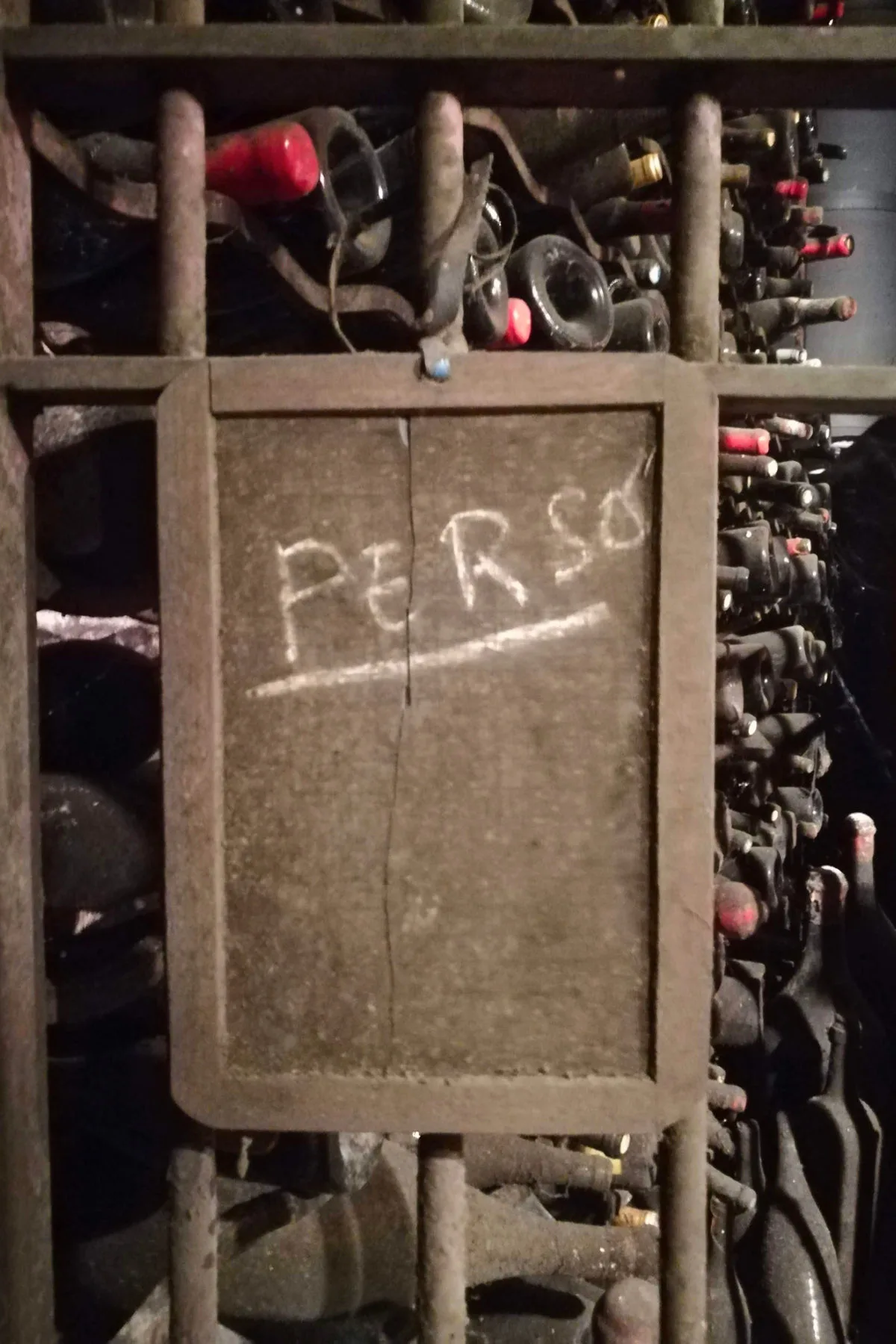
Cooking Notes:
Wine or Vermouth?
In classic Parisian bistros, dry white wine is far more common than dry French vermouth in traditional French Onion Soup. But that’s not to say wither are wrong. We suggest try making with both and see which version you prefer.
Most Popular in Parisian Bistros:
→ Dry white wine (usually a dry French wine such as Chardonnay, Sauvignon Blanc, or a neutral table wine).
Why white wine is more commonly used
- It has been the standard deglazing liquid for French onion soup in bistro kitchens for decades.
- Bistros typically cook large batches, and inexpensive dry white wine is always on hand.
- It adds acidity and brightness without changing the traditional flavor profile.
- It’s what you’ll find in most Paris restaurant kitchens today.
What about dry vermouth?
Dry French vermouth (like Noilly Prat) is used in some modern or chef-driven versions, especially when cooks want:
- A stronger herbal aroma
- A slightly more complex, refined flavor
But it is not the traditional or most common choice.
- 150 ml (⅔ cup) dry white wine OR dry French vermouth
More Mediterranean Comfort Food Recipes
Creamy Spinach and Chickpeas with Manchego
Creamy Spinach and Chickpeas with Manchego Cheese is an amazing comfort food recipe that uses a few simple ingredients and adds lots of umami flavor with Spanish Manchego cheese.

White Bean Soup – The Perfect Comforting Weeknight Soup! VEGAN + Gluten-Free
This easy white bean soup is a dream for weeknight dinners. It is made in one pot, is ready in 45 minutes, and is vegan, gluten-free, and loaded with protein and healthy ingredients.
Classic Italian Pasta Soup with White Beans | Pasta e Fagioli
Italian pasta soup (pasta e fagioli) is a classic Italian recipe that’s easy to prepare, filling, and nutritious, and makes an ideal weeknight dinner recipe. Ready in under an hour and serves 6-8 people.
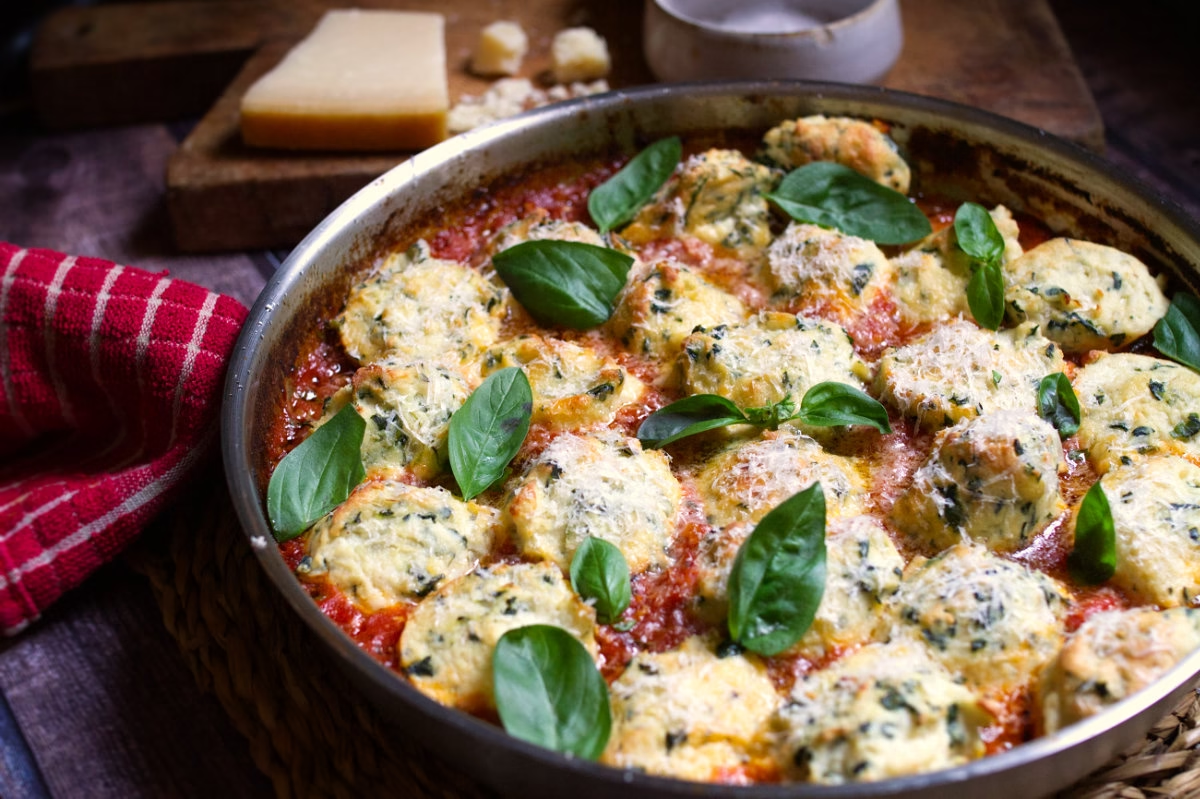
Malfatti – (Italian Spinach Ricotta Dumplings in Napoletana Sauce)
‘Uglier the better’ is rarely something you hear in the Foodie world, but these Italian dumplings are exactly that. Malfatti (“badly made” in Italian — a tongue-in-cheek name for these ‘rustic’ dumplings) are delicate spinach-and-ricotta dumplings, similar to gnudi, and absolutely delicious when done right.
Vegan Mediterranean Lentil Stew | Filling + Satisfying | Healthy Recipe
Vegan Mediterranean veg and lentil stew is loaded with fresh ingredients and Mediterranean flavors. A rich vegetable stock and soft stewed lentils help provide your daily dose of fiber and at just 213 calories per serving, it is the perfect healthy comfort food.

Nutrition Facts (Per Serving)
| Nutrient | Amount per Serving | % Daily Value (DV) |
| Calories | ~425 kcal | 21% |
| Total Fat | 22 g | 28% |
| Saturated Fat | 13 g | 65% |
| Trans Fat | 0 g | — |
| Cholesterol | 60 mg | 20% |
| Sodium | 1160 mg | 50% |
| Total Carbohydrates | 34 g | 12% |
| Dietary Fiber | 3 g | 11% |
| Total Sugars | 10 g | — |
| Added Sugars | 0 g | 0% |
| Protein | 19 g | 38% |
| Vitamin D | 0.2 mcg | 1% |
| Calcium | 430 mg | 33% |
| Iron | 1.4 mg | 8% |
| Potassium | 430 mg | 9% |
| Vitamin A | ~700 IU | 14% |
| Vitamin C | ~9 mg | 10% |
⭐ Notes on These Values
- Beef stock is responsible for a large portion of the sodium (can vary widely by brand).
- The cheese contributes most of the saturated fat, calcium, protein, and calories.
- The baguette adds carbohydrates and some of the sodium.
- Onions contribute natural sugars and some potassium.

FAQs – French Onion Soup
1. Can I use sweet onions instead of yellow onions?
Yellow onions are strongly recommended for authentic French Onion Soup because they develop deep, savory-sweet flavor during long caramelization. Sweet onions can make the soup overly sweet and less balanced.
2. Do I have to caramelize the onions for a full hour?
Yes — slow, deep caramelization is the foundation of classic French flavor. Rushing this step results in a flatter, less complex soup.
3. Can I make this soup vegetarian?
Yes. Use a rich vegetable stock or a mix of vegetable + mushroom broth. The flavor will be lighter and less traditional but still delicious.
4. What can I use instead of Gruyère?
Comté, Emmental, or a blend of Gruyère + Parmesan work well. Avoid pre-shredded cheese—it won’t melt or brown as nicely.
5. Can I make the soup ahead of time?
Absolutely. The soup (without bread and cheese) stores very well for up to 3–4 days in the fridge and freezes for up to 3 months. Assemble and broil just before serving.
6. Can I skip the wine?
Yes. Replace it with more stock plus 1–2 tsp of white wine vinegar or lemon juice. The acidity helps balance the sweetness of onions.
7. Why add flour?
Flour is a traditional bistro technique used to give the broth slight body. It’s optional—you can leave it out for a thinner, more rustic soup.
8. What type of bowls should I use for broiling?
Oven-safe ceramic or stoneware soup bowls are ideal. Never use glass bowls unless they are explicitly broiler-safe.
9. What’s the best bread for the topping?
A firm French baguette works best because it holds up under the cheese without turning mushy.
10. How do I keep the bread from getting too soggy?
Toast the baguette slices until crisp and dry. This helps them hold texture once submerged in the soup.

